Paying in Korea as a Tourist: Credit Cards, Cash and ATMs
Foreign Visa, Mastercard and American Express cards work in most stores, restaurants, hotels and tourist sites in Korea, according to the Seoul Metropolitan Government, so you can pay for most of a trip by card. Keep some Korean won in cash for small market stalls, topping up a T-money card and the occasional shop that can't take your card, and don't tip, because tipping is not a Korean custom.
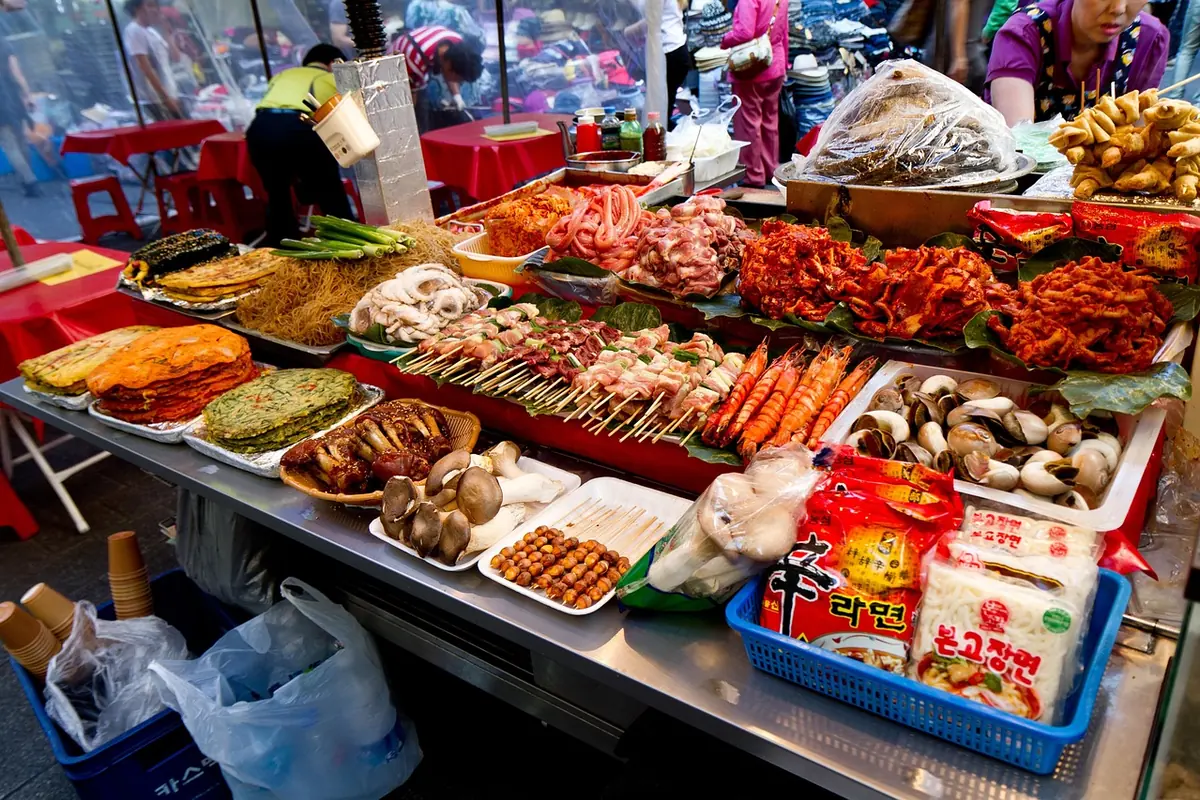
Here is how money actually moves on a typical trip, from the airport exchange counter to splitting a barbecue bill with friends.
Checked against official sources: October 2026
Using a foreign credit card in Korea
Card payment is normal in Korea, even for small amounts. The Seoul Metropolitan Government says credit cards can be used in most stores, restaurants, hotels and tourist destinations nationwide, regardless of the amount, and names Visa, Mastercard and American Express. VisitKorea lists the same three brands and adds a fair warning: check that a store takes cards before you buy, since a few don't.
What it looks like at the counter:
- At a convenience store or cafe, you hand the card over or insert it into the terminal yourself. A signature is rarely requested for small amounts.
- At restaurants, you usually pay at the counter by the door on the way out, not at the table. Bring the bill or tell staff your table number.
- At ordering kiosks in fast-food places and cafes, look for the card slot and an English language button. If a kiosk rejects your foreign card, the staff at the counter can usually take it instead.
Before you leave home, tell your bank you're traveling, check the foreign transaction fee on your card, and pack a second card from a different network in case one is declined.
When you still need cash
Korea runs mostly on cards, but cash still fills a few gaps:
- Transit card top-ups. Regular T-money cards are reloaded with won cash at subway machines and convenience stores.
- Small stalls and markets. Street food carts and small vendors in traditional markets may not have a card terminal, or may prefer cash for a 3,000 won snack.
- Some passes. VisitKorea says the foreigner-only Mpass transit card is sold for Korean won cash only.
- Backup. A card terminal goes down, a kiosk won't read your card, a small guesthouse prefers cash.
Seoul city buses still list cash fares, but paying cash means no transfer discount, so a transit card is better there too.
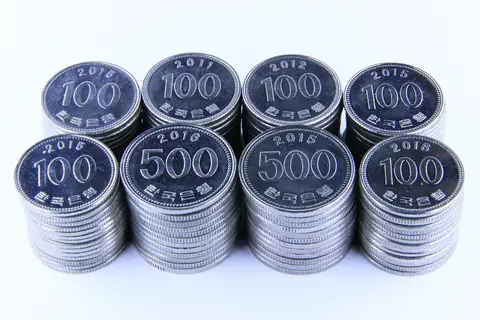
A reasonable amount to carry is enough for a day of snacks and one top-up, then refill as needed. Korean bills come in 1,000, 5,000, 10,000 and 50,000 won. Coins are 10, 50, 100 and 500 won.
ATMs that take foreign cards: look for 'Global'
Not every Korean ATM works with an overseas card. Visit Seoul, the city's official tourism site, says ATMs that accept international cards are common and are marked with a Global sign. Most offer English, Chinese and Japanese on screen.
- Where to look. Bank branches, airport arrivals halls, subway stations and convenience stores in tourist areas.
- Hours. Bank branches generally open 9 a.m. to 4 p.m. on weekdays. ATMs usually run until 11 p.m., and many are open 24 hours.
- Fees. Visit Seoul notes that convenience-store ATMs often charge higher transaction fees. Your home bank may add its own fee too.
At the machine, choose the foreign card or Global option, pick English, and when the screen offers a conversion to your home currency, compare it with your bank's rate before accepting. If a machine refuses your card, try a different bank's ATM before assuming the card is blocked. The 1330 Korea Travel Hotline can help in English if you get stuck.
Exchanging currency: banks, airports and certified booths
Your options, per the Seoul Metropolitan Government and Visit Seoul:
- Airport bank exchange counters. The easiest first stop when you land. Hours vary by counter, and some at the airport operate 24 hours.
- Banks downtown. Visit Seoul says banks usually offer travelers the best rates. Bank hours are generally 9 a.m. to 4 p.m. on weekdays.
- Private exchange offices. Most operate from 6 a.m. to 9 p.m., with hours varying by branch. Use government-certified booths, which display a Certified sign, and avoid uncertified ones.
Bring your passport. The Seoul city page says a passport or residence card is required to exchange money.
A practical pattern: exchange a modest amount at the airport for your first day, then compare rates at banks or certified booths in the city for anything larger. Rates change daily, so check before you go rather than relying on a number from someone's blog.
Prepaid tourist cards: WOWPASS
If your home card has high foreign fees, or you want one card for shopping and transit, a prepaid tourist card is an option. VisitKorea documents WOWPASS, a prepaid card for foreigners issued by Orange Square:
- Getting one. Through the WOWPASS app or at WOWPASS kiosks. A passport is required, and the card must be activated after purchase. Check the issue fee on the kiosk screen.
- Loading money. Kiosks take Korean won and foreign currencies such as US dollars, yen and yuan. The app takes Visa, Mastercard and JCB cards, according to the WOWPASS site.
- Paying. At affiliated stores, and on public transportation through a separate transit balance.
- Cash out. Leftover balance can be withdrawn as won cash at a WOWPASS kiosk. The WOWPASS site lists a 1,000 won fee per withdrawal, up to 100,000 won each time.
- Lost card. Deactivate it in the app and move the balance to a new card.
You don't need a prepaid card to get around Korea. A regular foreign credit card plus a T-money card covers most trips. WOWPASS is mostly useful if you want to avoid foreign transaction fees or exchange cash at a kiosk.
Tipping and service charges
You don't tip in Korea. Visit Seoul puts it plainly: tipping is not a Korean custom and will not be expected by service personnel.
- Restaurants and cafes. Pay the amount on the bill. No tip line, no rounding up.
- Taxis. VisitKorea says taxis charge by the meter and don't require tips. Visit Seoul adds that drivers appreciate it if you let them keep small change, which is optional.
- Hotels and upscale restaurants. Many add a 10% service charge on top of the 10% VAT. Check the bill. If the charge is there, that's the service covered.
If you leave cash on the table at a regular restaurant, staff may run after you to return it. That's normal and not an insult.
Splitting the bill, and checking prices in your currency
Splitting the bill
Korean restaurants typically give one bill per table, and you pay at the counter. A few ways groups handle it:
- One person pays, and the others pay them back in cash or by app later. This is the smoothest at busy places.
- Split by card at the counter. Many places will run the total across several cards. Tell the cashier how many ways to split before they start, and have everyone ready with cards.
- Pay separately for what you ordered. Possible at cafes and counter-service spots, less common at barbecue places where everyone shares the grill.
A short Korean phrase helps: nanwoseo gyesanhal-geyo means 'we'll pay separately.' Showing the number of people on your fingers also works.
Checking prices in your currency
Korean prices have a lot of zeros, which makes it easy to misread a 50,000 won bill as 5,000. Before a big purchase, run the number through our KRW converter on this site to see the amount in US dollars. Remember your card issuer's exchange rate and fees decide the final charge.
Frequently asked questions
Can I use my credit card everywhere in Korea?
Almost. The Seoul Metropolitan Government says Visa, Mastercard and American Express work in most stores, restaurants, hotels and tourist sites, regardless of amount. Carry some cash for small market stalls and transit card top-ups.
How do I find an ATM that takes foreign cards in Korea?
Look for ATMs with a Global sign, which Visit Seoul says accept international cards. They're common at banks, airports, subway stations and convenience stores. Convenience-store ATMs often charge higher fees.
Do I need my passport to exchange money in Korea?
Yes. The Seoul Metropolitan Government says you must show a passport or residence card when exchanging currency. Use banks, airport counters or private booths with a Certified sign.
Should I tip in Korea?
No. Tipping is not a Korean custom and service staff don't expect it. Many large hotels and upscale restaurants add a 10% service charge to the bill instead, so check before paying.
Is WOWPASS necessary for a trip to Korea?
No. A foreign credit card plus a T-money card covers most trips. WOWPASS is a prepaid card for foreigners that can help if you want to load foreign cash at a kiosk or avoid foreign transaction fees on your home card.
Official sources
- Seoul Metropolitan Government - Currency Exchange
- Visit Seoul (official Seoul tourism site) - Money
- VisitKorea (Korea Tourism Organization) - Korean Currency and Exchange
- VisitKorea - Transportation Cards
- WOWPASS official site
- VisitKorea - Taxi
- Seoul Metropolitan Government - Modes of Transport (fare tables)
More Korea guides
 K-ETA & e-Arrival CardEntry rules, exemption ending, how to apply
 T-money CardBuy, recharge, refund, where it works
 eSIM & SIM in KoreaData options and what you need
 Naver Map in EnglishDirections when Google Maps falls short
 Kakao T TaxiCalling and paying for taxis as a visitor
 Tourist Tax RefundGet VAT back on shopping
 KRW Currency ConverterWon to USD, EUR, JPY and more, live ECB rate
 Korean Public Holidays 2027Dates, long weekends, travel tips