T-money Card: How to Buy, Top Up and Refund It in Korea
A T-money card is a rechargeable prepaid transit card that you tap on Korean subway gates, buses and many taxis, and it costs 3,000 to 5,000 won at convenience stores and Seoul subway information centers (per VisitKorea, as of October 2026). You load it with cash, tap in and out, and get any small leftover balance refunded at a convenience store before you fly home.
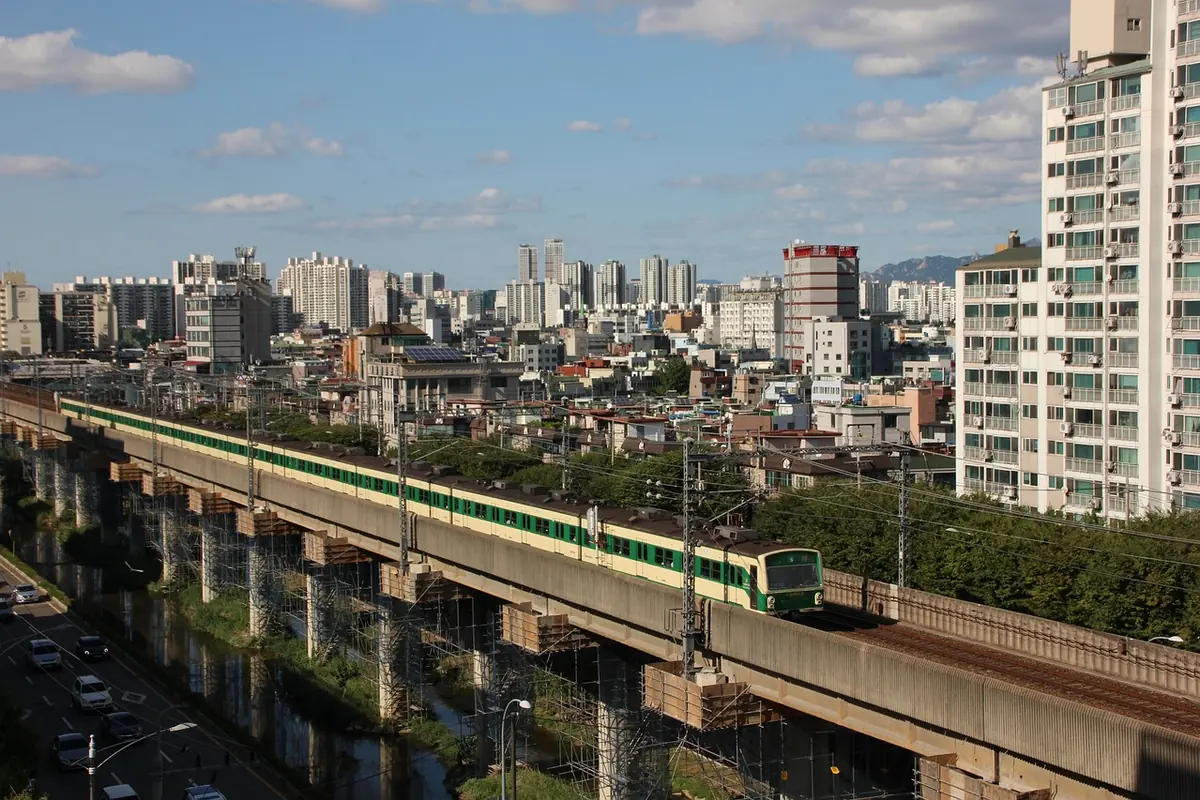
This guide walks through the whole cycle the way it actually happens: the first card at the airport, the first top-up, the subway gate, the bus back door, and the refund counter on your last day.
Checked against official sources: October 2026
What a T-money card is (and why you want one on day one)
T-money is the most common stored-value transit card in Korea. You put money on it, and every tap deducts the fare. There is no account to open, no app required and no passport check. The card itself has no expiration date, and any unused balance stays on it, so a card from a trip three years ago still works.
Using a card instead of paper tickets saves money on every ride. Seoul's official fare table (subway fares as of June 28, 2025) puts the adult base subway fare at 1,550 won by card versus 1,650 won for a single-journey ticket. Single-journey tickets also need a 500 won deposit that you get back from a deposit refund machine at your destination, which gets old fast if you ride several times a day.
The bigger reason is transfers. Free or discounted transfers between bus and subway only apply when you pay with a transit card. Paper tickets work on the subway only and cannot be used on buses at all.
Where to buy a T-money card and what it costs
VisitKorea lists two main places to buy one:
- Convenience stores nationwide such as GS25, CU and 7-Eleven, including the ones in the airport arrivals halls.
- Seoul subway station information centers on Lines 1 to 8.
The price is 3,000 to 5,000 won for a standard card, as of October 2026. Character and limited-edition designs cost more. The purchase price is for the card only. It comes with no balance, so plan to load money right away.
At a convenience store counter, it usually goes like this: say or show T-money card, pay for the card, then hand over cash and say how much you want to load. The clerk taps the card on their reader and gives it back. Ask for a receipt if you want proof of the loaded amount.
Travelers under 18 should register their date of birth at a convenience store to get youth and child discounts. Without registration, the card charges adult fares.
How to recharge: plan on cash
There are two easy ways to add money:
- Subway ticket and reload machines. Switch the screen to English, choose the reload option, place the card on the pad, pick an amount, insert bills, and check the new balance shown when it finishes. VisitKorea notes a reload limit of 500,000 won.
- Convenience store counters. Any store that sells T-money can usually reload it. Hand over the card and cash, and say the amount.
For a regular T-money card, carry Korean won in cash for top-ups. Seoul's newer card vending machines (introduced March 2026 at 273 stations on Lines 1 to 8) accept Visa and Mastercard, but the city's announcement covers Climate Card passes and single-journey tickets, not regular T-money reloads, and card payments there carry an average service fee of about 3.7%.
If you tap in and your balance runs short at the exit, use the fare adjustment machine next to the gates to add money, then tap out again.
Where your T-money card works
According to VisitKorea, a T-money card works on:
- Subways in Seoul and in other major cities.
- City buses, plus many express and intercity buses and some trains if you reload it at a T-money retailer.
- Taxis: hold the card to the reader by the meter when the ride ends.
- Stores showing the T-money logo, including many convenience stores, some subway vending machines and photo booths, and expressway toll gates.
On buses, tap the reader when you get on at the front door and tap again at the reader by the back door when you get off. Seoul's transit guide says you must tap when exiting. Skip that second tap and you lose the transfer discount on your next ride.
Traveling as a group on one card? Tell the bus driver the number of passengers before you tap, so the card is charged for everyone.
| Seoul fare (adult) | Card | Cash or ticket |
|---|---|---|
| Subway base fare | 1,550 won | 1,650 won |
| Trunk or branch bus (blue, green) | 1,500 won | 1,500 won |
| Night (Owl) bus | 2,500 won | 2,500 won |
Figures from Seoul Metropolitan Government fare tables (bus as of August 12, 2023, subway as of June 28, 2025). Distance surcharges can apply on longer subway trips.
Transfer discounts: the rules that matter
Seoul's transfer discount is where T-money pays for itself. The basics from the city's official guide:
- Transfers between subway and bus, bus and subway, and bus and bus qualify, up to four transfers.
- You must board the next ride within 30 minutes of tapping out of the previous one. Between 9 p.m. and 7 a.m., the window is 1 hour.
- Getting back on the same bus route number does not count as a transfer.
- The discount only applies when you pay by card and tap out properly.
In practice, you pay the base fare once, and the next legs cost little or nothing extra unless the total distance is long. The gate or bus reader shows the amount charged and your remaining balance, so glance at it after each tap.
Seoul also gives a 20% discount on the first subway ride and on most buses when you pay by card before 6:30 a.m., which is handy for early flights.
Checking your balance and getting a refund
Checking the balance
The quickest check is the small screen on the subway gate or bus reader, which shows the remaining balance after each tap. A reload machine also shows it after you place the card on the pad, and convenience store staff can check it for you.
Refunding what's left
Before you head to the airport, decide whether to spend the balance or cash it out. VisitKorea's guidance as of October 2026:
- Smaller balances can be refunded at convenience stores.
- Balances over 50,000 won are refunded only at Tmoney Town near Seoul Station (Exit 10).
Seoul city's own guidance for working cards says convenience stores and other counters deduct a 500 won processing fee, while Tmoney Town refunds without that fee. Fees and counter limits can change, so ask at the counter before handing over the card. The price you paid for the card itself is not part of the refund.
Many visitors simply keep the card for the next trip, since the balance doesn't expire. Another option is to spend the last few thousand won at a convenience store that takes T-money.
Tourist alternatives and common mistakes
Officially documented alternatives
- Climate Card short-term pass (Seoul). Unlimited rides on Seoul subway lines and Seoul-licensed buses for 1, 2, 3, 5 or 7 days, priced at 5,000, 8,000, 10,000, 15,000 and 20,000 won, plus 3,000 won for the physical card (Seoul Metropolitan Government, as of October 2026). Intercity and airport buses are excluded, and Sinbundang Line and GTX are outside the pass. The pass starts on the day you load it.
- Mpass. A foreigner-only T-money card with up to 20 rides per day on Seoul subways, city buses and AREX (not the express train). VisitKorea lists 1-day 15,000 won up to 7-day 64,500 won, sold for won cash only at Tmoney Town, Seoul Station Exit 10.
- WOWPASS. A prepaid card for foreigners with a separate transit balance, covered in our paying-in-Korea guide.
Mistakes to avoid
- Forgetting to tap off the bus. You lose the transfer discount.
- Two cards in one wallet. Readers can charge the wrong card or throw an error. Hold out just one.
- Phone transit apps plus a physical card. Seoul warns that running two or more transit payment methods can cause duplicate charges.
- Loading too much. Top up 10,000 to 20,000 won at a time and you'll leave with little to refund.
- Using a single-journey ticket on a bus. It won't work. Those tickets are subway-only.
Frequently asked questions
How much does a T-money card cost?
A standard card costs 3,000 to 5,000 won at convenience stores and Seoul subway information centers, as of October 2026. Special designs cost more. The card comes with no balance, so you need to load money separately.
Can I recharge T-money with a foreign credit card?
Plan on cash. Reload machines and convenience stores take Korean won cash for regular T-money. Seoul's newer station vending machines accept Visa and Mastercard for Climate Card passes and single-journey tickets, with a service fee of about 3.7%.
Can I use T-money in taxis?
Yes. VisitKorea confirms T-money works in taxis. Tap the card on the reader near the meter at the end of the ride. Make sure your balance covers the fare, or pay the rest in cash or by card.
How do I get my T-money balance back before leaving Korea?
Smaller balances can be refunded at convenience stores, usually minus a 500 won processing fee. Balances over 50,000 won must be refunded at Tmoney Town near Seoul Station, Exit 10. The card price itself is not refunded.
Does the T-money balance expire?
No. VisitKorea says T-money cards have no expiration date and unused balance stays on the card, so you can keep it for your next trip to Korea.
Official sources
- VisitKorea (Korea Tourism Organization) - Transportation Cards
- Seoul Metropolitan Government - Public Transportation
- Seoul Metropolitan Government - Modes of Transport (fare tables)
- Seoul Metropolitan Government - Climate Card
- Seoul Metropolitan Government - International cards at transit card vending machines
- Seoul Metropolitan Government Media Hub - T-money card refunds
More Korea guides
 K-ETA & e-Arrival CardEntry rules, exemption ending, how to apply
 Paying in KoreaCards, cash, ATMs, exchange, no tipping
 eSIM & SIM in KoreaData options and what you need
 Naver Map in EnglishDirections when Google Maps falls short
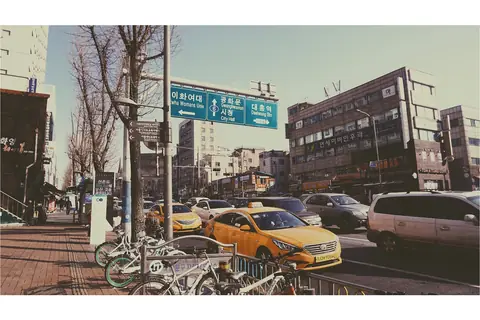 Kakao T TaxiCalling and paying for taxis as a visitor
 Tourist Tax RefundGet VAT back on shopping
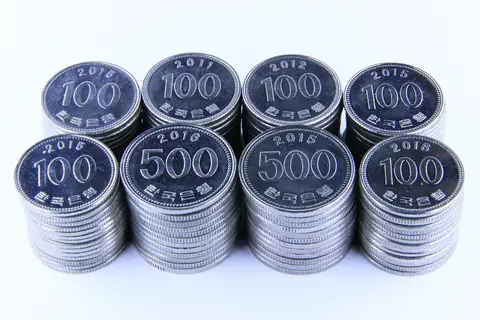 KRW Currency ConverterWon to USD, EUR, JPY and more, live ECB rate
 Korean Public Holidays 2027Dates, long weekends, travel tips